Évora, in the Alentejo, will be European Capital of Culture in 2027.
It is time to visit and (re)discover the Alentejo.
A land of culture, landscapes, gastronomy, many forms of art, wine and olive oil.
There is so much to see and taste, without rushing.
Évora 2027 – European Capital of Culture
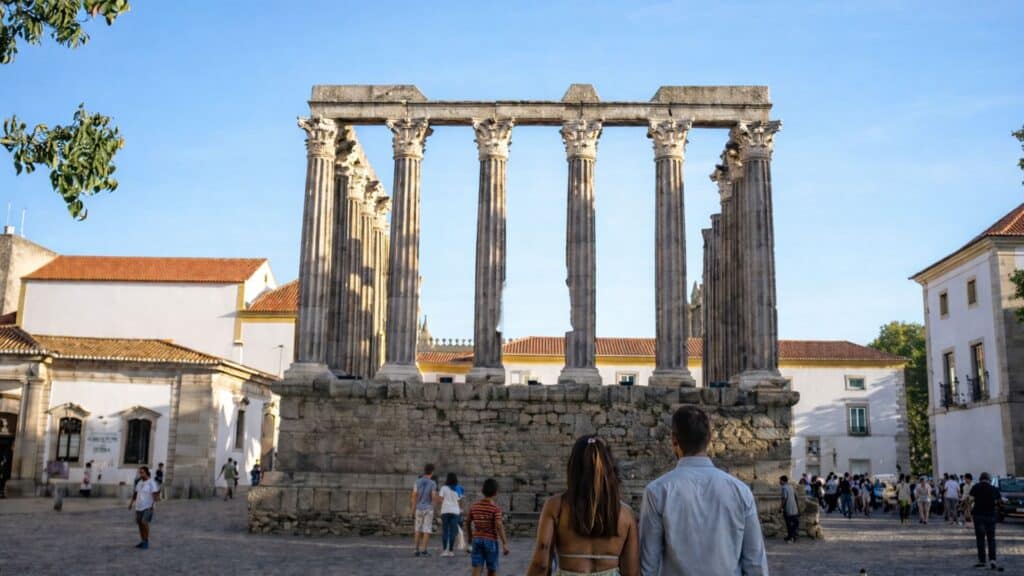
Évora is a city steeped in history and culture.
Almost twenty centuries of history can be felt as you walk through its streets.
For the Celts, it was Ebora; for the Romans, Liberalitas Julia.
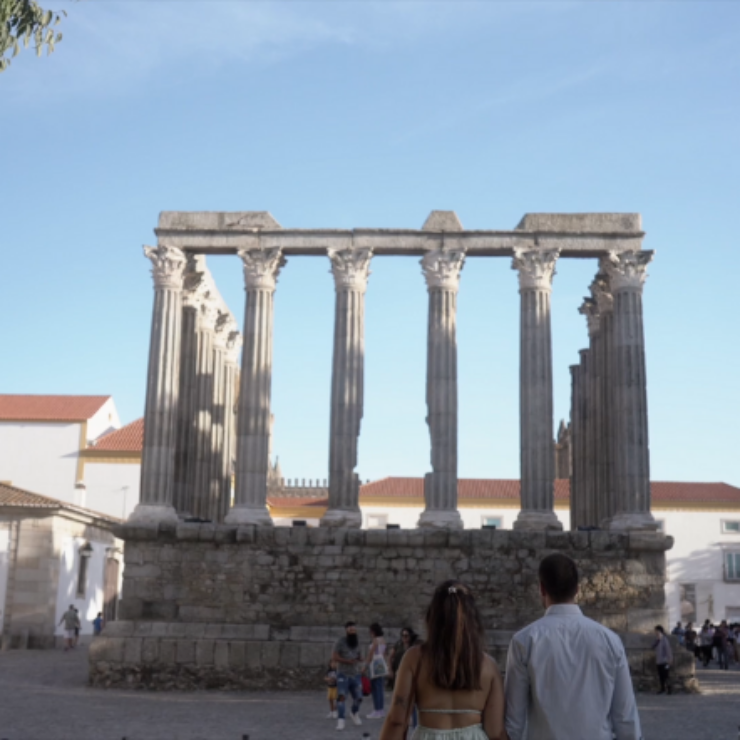
From the Roman period, the city preserves the Roman Temple, a place of worship dedicated to Emperor Augustus, the Roman baths and remains of the ancient defensive wall. From the Visigothic period, the Torre de Sisebuto remains. From the Muslim presence, memories live on in the labyrinthine streets and the ruins of the former Kasba.
Évora is a blend of cultures that has come together to form a single community.
Where can you find the Évora 2027 programme?

The Évora 2027 programme is constantly evolving and can be consulted on the official Évora 2027 website. You can also find information about the various cultural events taking place in the city through the Évora Cultural Agenda.
What to do in Évora?
If you do not know the city, you will soon discover that Évora is a city well worth visiting.
Here are some of the main cultural and natural attractions that you can visit without a car, by staying at one of the hotels located in the centre of Évora, such as the Évora Olive Hotel, or at the Évora O Cante Hotel, very close to the medieval walls of Évora’s historic centre, specifically next to Porta de Alconchel.
Main cultural attractions
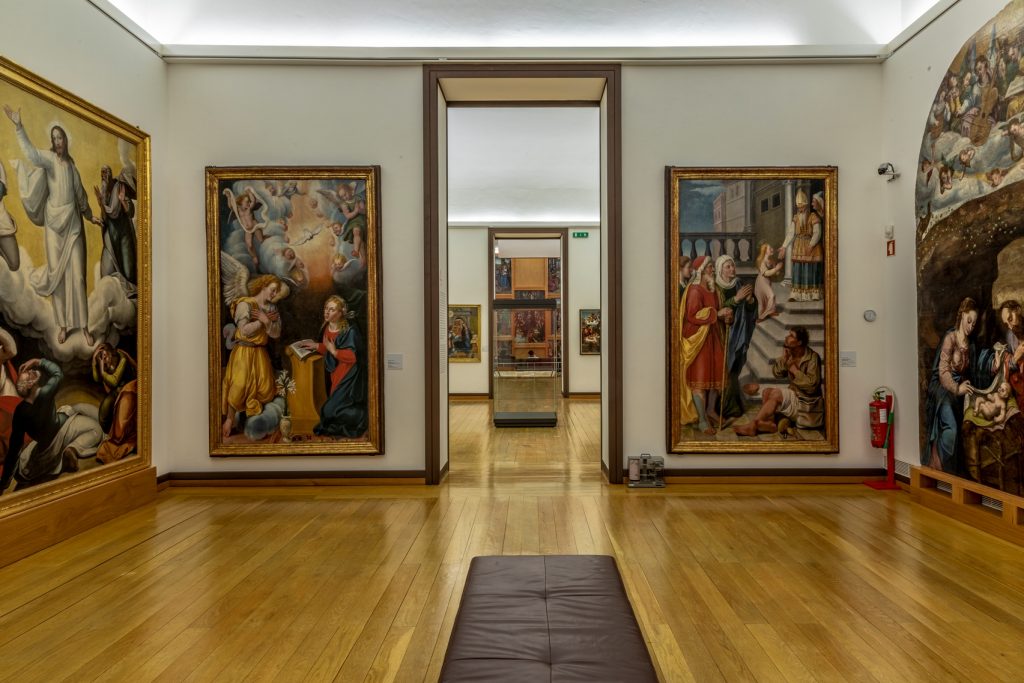
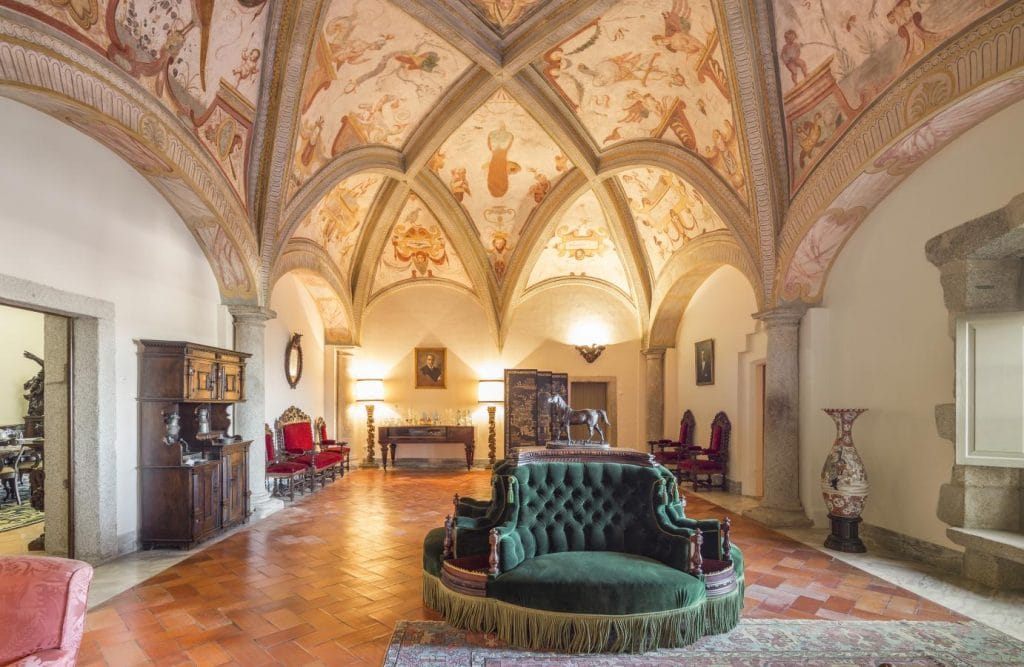
- D. Manuel I Palace
- Church of São Francisco and Chapel of Bones
- Museu Nacional Frei Manuel do Cenáculo
- Praça do Giraldo
- Évora Cathedral
- Roman Temple
- University of Évora
- Paço de S. Miguel
- Água de Prata Aqueduct
Gardens
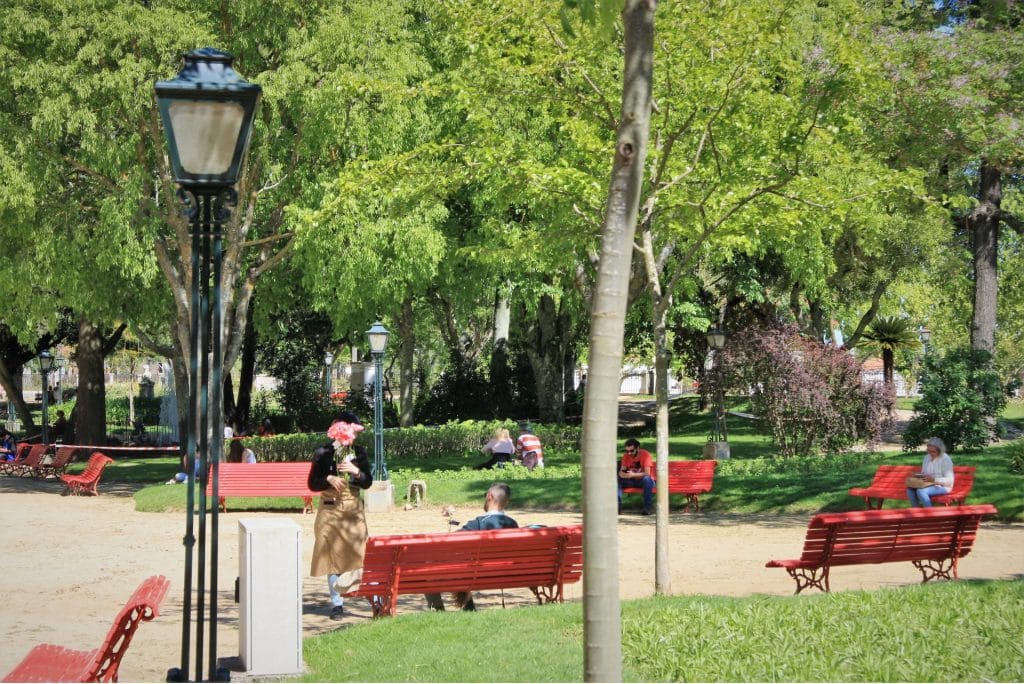
- Évora Public Garden
- Jardim Diana
Arts and crafts: a living art to discover in the Alentejo

In the Alentejo, craftsmanship is still a living art.
There are many artisans from older generations, while a new generation is also emerging, bringing a new perspective and a new style. It is a movement worth preserving to ensure the survival of this centuries-old art.
Craftsmanship takes as many forms as it does materials: cork, ceramics, bronze, reed, painted wooden furniture, weaving, tapestry, embroidery, lace, jewellery, basketry and much more.
Do not miss the opportunity to explore it. Discovering the many forms of local craftsmanship also means discovering its people and culture.
Wine tourism and olive oil tourism
Alentejo wines are widely recognised both nationally and internationally for their character, body, softness and aroma.
The region produces deep ruby-red wines and white wines ranging from citrus-yellow to straw-yellow in colour. Among the region’s most distinctive traditions are talha wines, produced in large clay vessels and associated with a thousand-year-old winemaking tradition passed down through generations. There are also rosé and fortified wines.
There are many estates and wine houses with cellars and wine shops, offering wine tastings for individuals, groups and companies.
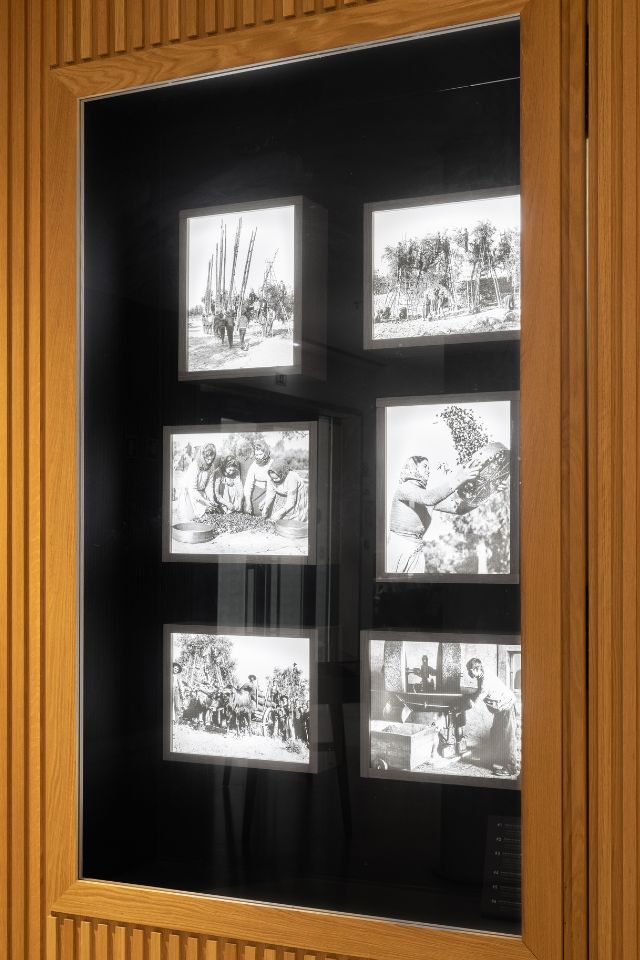
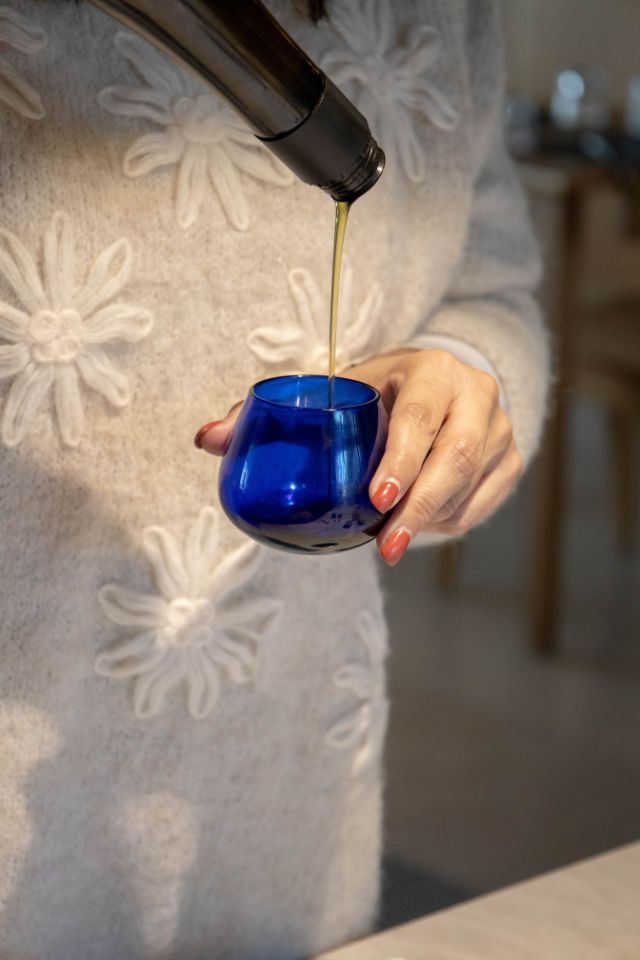
As the Alentejo is Portugal’s leading olive oil-producing region, and olive groves are an integral part of the landscape and identity of the region, many of these estates also have olive groves, produce their own olive oil and offer olive oil tastings and other activities, such as olive harvesting open to visitors.
Discover the Alentejo from Évora


The Alentejo is rich in diversity and flavours.
Consider staying for a week or more and do not limit your visit to Évora.
Estremoz, Arraiolos, Monsaraz, Alqueva and many other places are well worth exploring.
And, if you have time, go even further. Head towards the Alentejo coast.
Yes, the Alentejo has a coast too.
It is such a vast and diverse region that a few days are hardly enough to discover it.
So come with time.
Travel without rushing.
Taste, walk, discover and let yourself be surprised by the Alentejo.
Évora 2027: a reason to stay longer

Évora Olive Hotel

Mercearia Eborim Restaurant

Évora O Cante Hotel
If you are planning to visit Évora in 2027, it is worth booking your accommodation in advance.
Choose a hotel that allows you to explore the city on foot and use Évora as your starting point for discovering the Alentejo.
Do not miss the best of Alentejo cuisine: migas, carne de alguidar, lamb and black pork. And the sweets: sericaia, pão de rala and Évora cheesecakes.
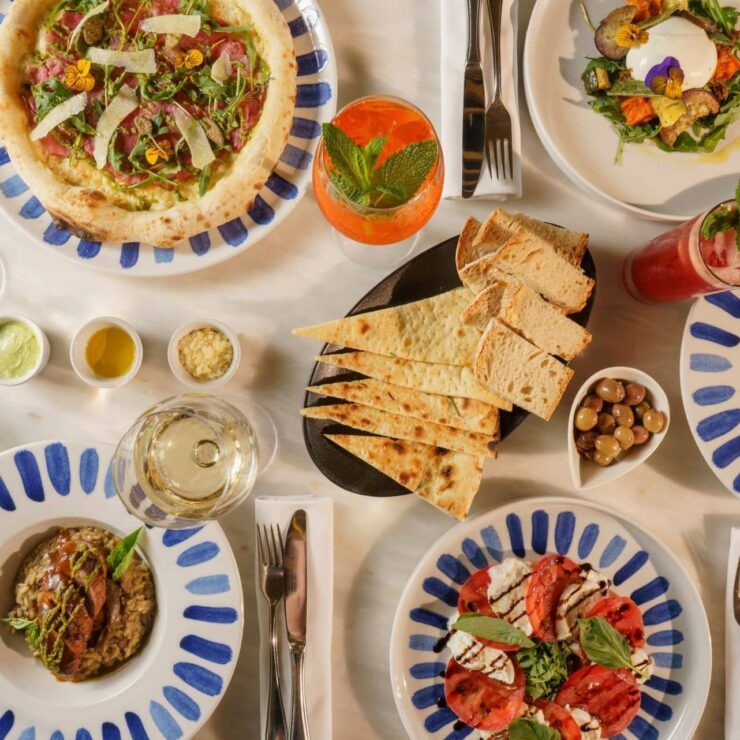
Then explore other flavours. Évora is home to Mediterranean and Italian restaurants. Enjoy authentic Neapolitan pizzas, risotto and lasagne, as well as pork tenderloin, not forgetting the ever-delicious tiramisù.
The Alentejo is meant to be seen and savoured with time.
Frequently Asked Questions (FAQs)
Where can I find the official Évora 2027 programme?
The official and updated programme can be found directly on the official Évora 2027 website or through the Évora Cultural Agenda.
What are the best hotels to stay in the centre of Évora during the event?
The boutique hotels Évora Olive Hotel (inspired by olive oil culture) and Évora O Cante Hotel (a tribute to Cante Alentejano) are excellent options. Both are located in or very close to the historic centre, with Évora O Cante Hotel next to the medieval walls at Porta de Alconchel, allowing you to visit the main attractions on foot.
Can I walk to the Roman Temple and Chapel of Bones from the group’s hotels?
Yes. If you stay at the Évora Olive Hotel or Évora O Cante Hotel, you can easily walk to the Roman Temple, Chapel of Bones, Évora Cathedral and Praça do Giraldo without needing a car.
Where can I try traditional Alentejo and Italian food in Évora?
You can enjoy local cuisine at Mercearia Eborim restaurant. The restaurant combines traditional Alentejo dishes, such as cod, lamb and pork tenderloin, with Mediterranean cuisine and handmade Neapolitan pizzas.
Art and Soul Editorial Team
_
If you enjoyed these suggestions, stay tuned to our blog!
Official content produced by the Art and Soul hospitality and restaurant curation team. We create accommodation experiences in themed boutique hotels, local gastronomy and wellness in Portugal. We provide authentic information aligned with the cultural identity of each region where we are present: Porto, Vila Nova de Gaia, Lisbon and Évora.